Who this is for
This webinar is aimed at teachers, classroom assistants and anyone working with children who want to support their children's foundational development before formal writing begins. No prior knowledge is needed.
What you'll learn
What foundational skills come before holding a pencil
Why pre-writing development matters in the early years
Playful, practical activities to build those skills
Downloadable PowerPoint slides to revisit at any time
10-page PDF of fun, ready-to-use activity ideas
30-minute format — easy to fit into a busy day
About this course
Before a child can hold a pencil and write comfortably, there is a whole set of skills that need to come together first. This webinar walks you through what those foundational skills actually are, and why they matter before formal writing begins.
The focus is on playful, everyday activities that help build those skills in a way that feels natural for young children — nothing complicated, nothing that needs special equipment.
When you sign up you get the recorded webinar, the PowerPoint slides to refer back to whenever you need, and a 10-page PDF packed with fun activity ideas you can start using right away.
Curriculum
1 module — unlocks in order as you complete each one.
- 1Video
Building Pre-Writing skills in the Early Years!
Your instructor
Grace Magennis
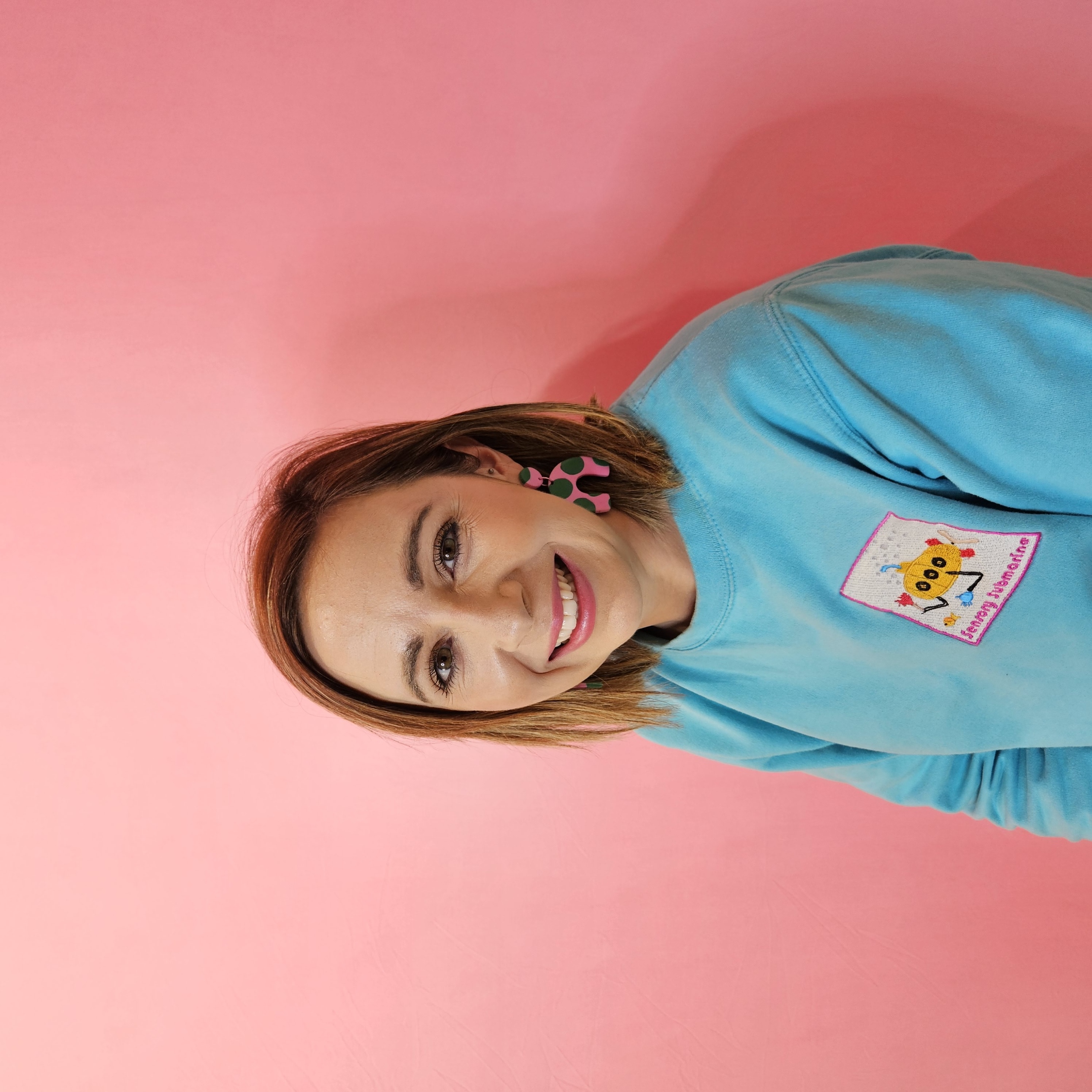
Grace Magennis is a Children's Occupational Therapist, Sensory Integration Practitioner, and founder of The Sensory Submarine. With extensive postgraduate training and specialist experience, Grace supports autistic children and young people, those with ADHD, developmental delay, physical and learning disabilities, sensory processing differences, and a wide range of additional needs. Her practical, evidence-based and neuroaffirming approach equips parents, educators and professionals with simple, effective strategies to support children's development, regulation, learning and participation in everyday life.